


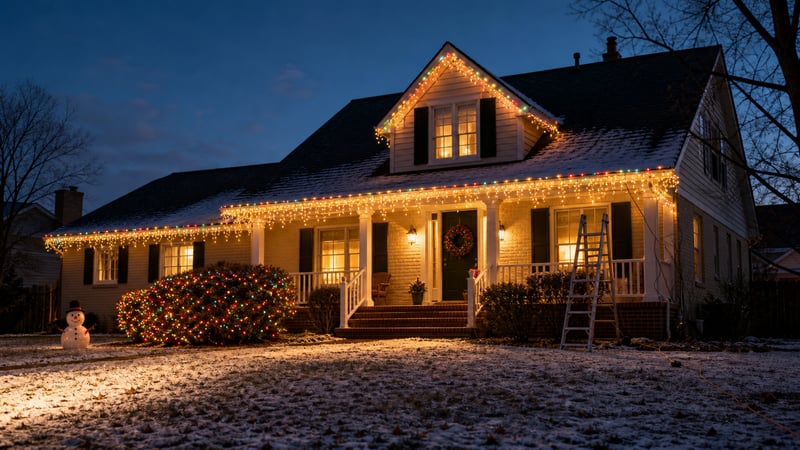
There is a right way and a wrong way to hang Christmas lights. As late fall arrives across Story, Boone, Dallas, and Polk Counties, homeowners in communities like Huxley, Ankeny, Ames, Waukee, and Des Moines are already digging holiday decorations out of storage. However, using standard staple guns or forcing clips under cold asphalt shingles can lead to severe winter leaks, sagging gutters, and costly roof damage.
By taking a strategic approach, you can create a holiday display while keeping your home's exterior completely safe throughout the Iowa winter.
1. Map Out Your Exterior Design First
Before pulling out ladders or unravelling light strands, start with a solid plan. Guessing how many lights you need leads to unnecessary store trips midway through installation or forced extensions that overload your power source.
Walk your property and identify the specific areas you want to adorn, such as roof ridges, eaves, entryway frames, or porch railings. Once you have selected your target areas, measure the total linear footage along the ground below those surfaces. Remember to measure the distance from your starting point to the nearest outdoor GFCI electrical outlet, factoring in the length of your heavy-duty outdoor extension cords. Adding these figures together gives you the exact strand count or yardage needed before buying new supplies.
2. Gather Safe, Damage-Free Materials
Using damaged lighting or improper fastening tools poses serious safety and structural risks. Inspect every existing strand for frayed wiring, cracked sockets, or loose connections before putting them up.
When purchasing supplies, ensure your equipment meets these essential standards:
- Outdoor-Rated Standard: Only install lights and extension cords explicitly rated for exterior use to withstand rain, snow, and freezing temperatures.
- Safe Circuit Limits: You can safely connect up to 25 strands of LED lights end-to-end on a single circuit due to low wattage draw. In contrast, limit traditional incandescent lights to 3 to 6 strands to prevent blown fuses or electrical fires.
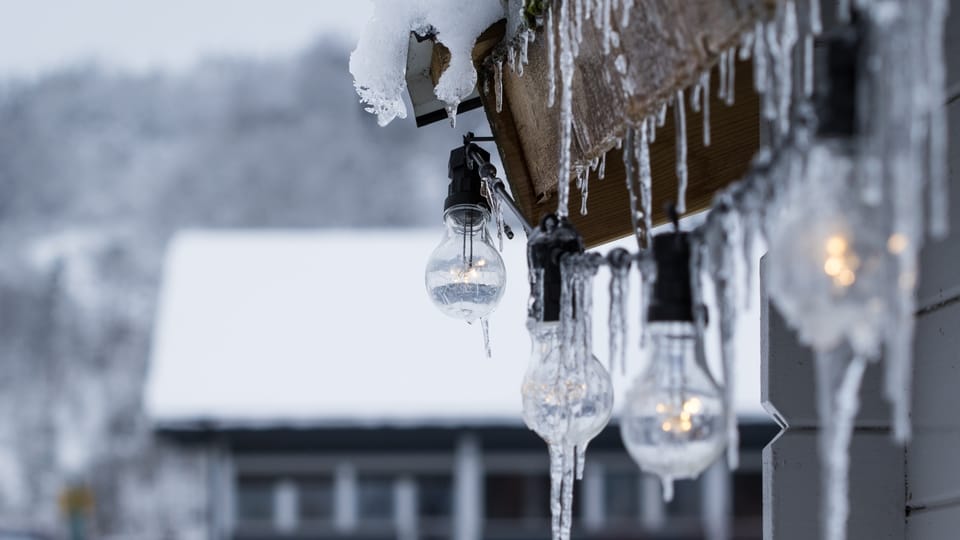
- Surface-Specific Plastic Clips: Never use staples, nails, or screws on shingles, soffits, or fascia wood. Puncturing roofing material destroys its waterproof barrier, inviting moisture under the shingles that turns into severe ice dams during a Central Iowa freeze. Instead, use specialized plastic clips designed to snap over gutter lips, clamp onto railings, or slide under shingle edges without lifting sealant strips.
3. Test and Assemble Lights on the Ground
Pre-fitting your display on the ground saves time on the ladder and keeps installation safer. Unroll all your light strands across the lawn or driveway and plug them in to verify that every bulb illuminates properly.
While the lights are still on the ground, attach your plastic clips directly to the light sockets. Ensure every clip faces the same direction so your display looks clean, uniform, and professional once elevated onto your eaves or roofline.
4. Install Strands Safely and Mind the Weather
When you are ready to hang your lights, mount them one strand at a time. Maintain consistency by pointing all bulbs in the same direction—either all facing up or all facing down—along gutters and roof edges.
Pay close attention to seasonal conditions during installation:
- Protect Cold Shingles: As temperatures drop across Central Iowa, asphalt shingles become brittle. Avoid prying up cold shingles to force clips beneath them, as this can crack the material or break the factory wind seal.
- Avoid Walking on the Roof: Work from a stable, properly angled extension ladder whenever possible. Walking directly on cold shingles strips away protective mineral granules and increases slip risks.
- Work With a Helper: Have an assistant anchor the base of your ladder, hand up prepared strands, and guide extension cords to prevent lights from dragging against siding or catching on trim.
5. Automate Your System and Inspect Daily
Once your display is mounted, plug the primary extension cord into a weather-protected outdoor GFCI outlet. Connecting a heavy-duty outdoor timer or smart plug allows your lights to turn on automatically at dusk and turn off late at night. Automated scheduling saves electricity and extends the overall lifespan of your bulbs.
Finally, conduct a quick ground check after turning the display on. If you spot unlit bulbs, replace them right away. On series-wired light sets, dead bulbs cause the remaining lights to draw excess current, leading to premature burnout across the entire strand.
Frequently Asked Questions
Q: Can I staple Christmas lights to my roof shingles or wood trim?
A: No. Driving staples, nails, or screws into shingles, soffits, or fascia boards breaches your roof’s protective barrier. These tiny punctures allow melting snow and ice to penetrate the decking, leading to wood rot, interior ceiling leaks, and ice damming. Always use non-destructive plastic gutter or shingle clips.
Q: What is the best way to attach Christmas lights to gutters?
A: Use all-purpose plastic gutter clips that clamp over the front lip of the seamless gutter. Avoid heavy commercial fixtures that put undue weight on the gutter troughs, and ensure your gutters are clean and firmly secured to the fascia board before hanging lights.
Q: When should I consult a roofing professional before decorating?
A: If you notice sagging gutters, cracked or missing shingles, loose flashing, or damaged trim while planning your holiday lights, address those repairs before winter weather sets in.
Need Exterior Maintenance or Storm Repair in Central Iowa?
Hedrick Construction provides expert residential roofing, seamless gutter installation, siding replacement, energy-efficient windows, and blown-in insulation across Story, Boone, Dallas, and Polk Counties. Located in Huxley, IA, our team proudly serves homeowners throughout Ankeny, Ames, Des Moines, Waukee, Boone, and neighboring communities.
If your roof or gutter system needs a professional inspection before the cold weather hits, contact Hedrick Construction today!



Comments