


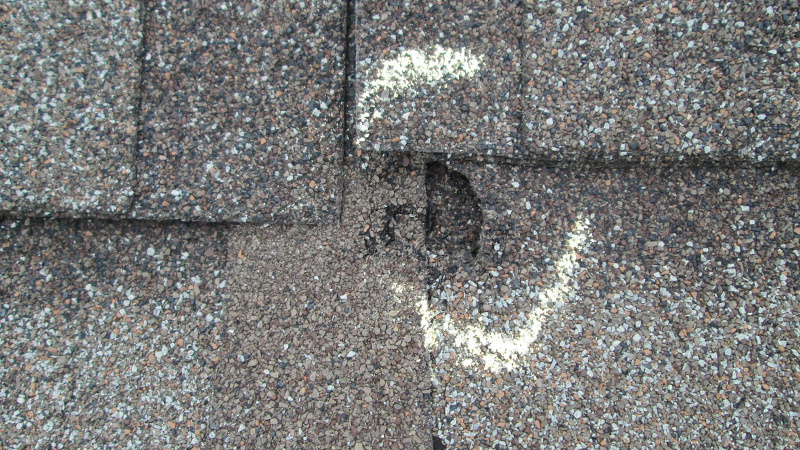
Summer storms in Central Iowa can bring high winds, hail and heavy rain. Once the skies clear, it’s easy to assume your roof made it through just fine, especially if there isn’t water dripping from the ceiling.
But no leak doesn’t always mean no damage.
Hidden roof storm damage can compromise shingles, seals, flashing and other parts of your roofing system without causing immediate problems inside your home. Those small vulnerabilities may remain unnoticed until fall rain, freezing temperatures, snow and ice put additional stress on the roof.
That makes late summer and early fall a good time to identify potential problems before another Iowa winter arrives.
Why Storm Damage Doesn't Always Cause an Immediate Roof Leak
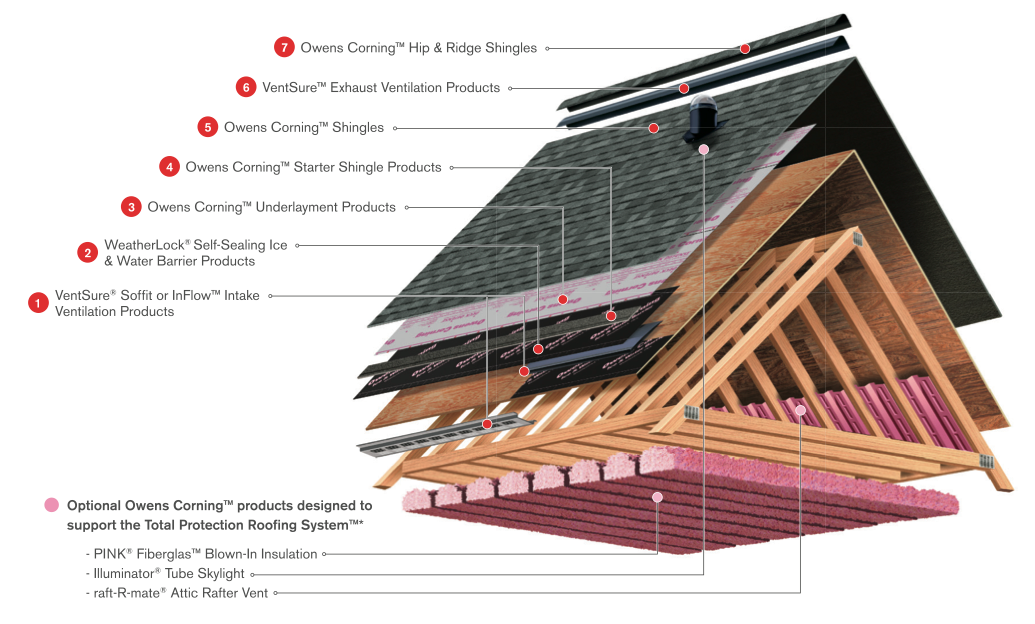
Your roofing system has multiple layers designed to keep water out. Because of that, one damaged component may not immediately result in a leak.
High winds can lift shingles and weaken their adhesive seals before the shingles settle back into place. Hail can damage the protective surface of a shingle without creating a visible hole. Flashing may bend or loosen while continuing to redirect most water.
The roof may continue doing its job, for a while. Additional rain, temperature changes and winter weather can gradually make that damage worse.
5 Types of Hidden Roof Storm Damage to Check Before Fall
Lifted or Loosened Shingles
Wind damage to a roof isn't always as obvious as a missing shingle in the yard. Strong winds can lift shingles before they settle back down, leaving creases, cracks, loose edges or weakened adhesive seals behind.
From the ground, everything may look normal. But during the next high-wind event, those shingles may be more vulnerable to lifting again or coming loose completely.
Compromised Shingle Seals
A shingle doesn't have to be missing to be damaged. High winds can break the seal between shingles, allowing wind-driven rain to get underneath the roofing material.
Because the shingle itself may still lie flat, compromised seals can be difficult for homeowners to spot. As temperatures drop and the roof experiences additional wind, rain, snow and ice, an already weakened area can become a larger concern.
Hail Damage That Isn't Obvious From the Ground
Some hail damage signs are subtle, including bruising, granule loss, small cracks, exposed asphalt or damage around roof vents.
Even when hail damage doesn't immediately affect how your roof performs, it can shorten the lifespan of roofing materials. Granules, for example, help protect asphalt shingles from the elements. Losing enough of that protective surface can leave the material underneath more exposed over time.
Dented or Loosened Flashing and Gutters
Shingles aren't the only parts of your exterior affected by severe weather. Hail and wind can damage flashing around chimneys, vents, valleys and roof edges. Gutters may become dented or pull away from the fascia, while downspouts can loosen.
You may also notice excessive shingle granules collecting in your gutters or near downspouts after a storm. Problems with flashing and drainage can eventually create vulnerable areas for water intrusion or prevent rainwater from moving away from your home properly.
Small Cracks, Punctures and Penetrations
Hail, falling branches and wind-driven debris can create small cracks or punctures in roofing materials. Areas around vents, pipe boots and other roof penetrations can also be vulnerable.
A small opening may not seem urgent during dry weather, but repeated moisture and Iowa's freeze-thaw cycles can make the damage worse. Water can enter a small crack, freeze, expand and gradually enlarge the opening.
Why Summer Storm Damage Can Become a Bigger Winter Problem
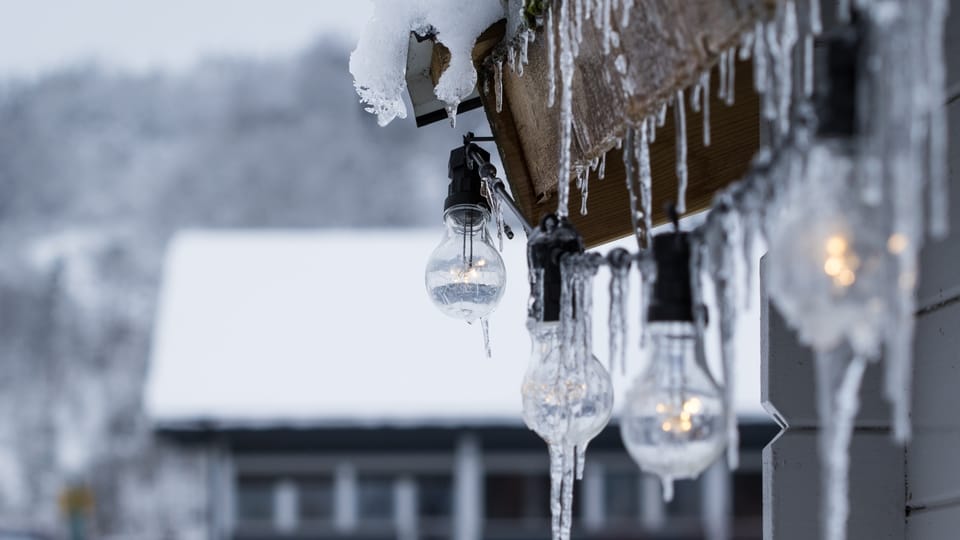
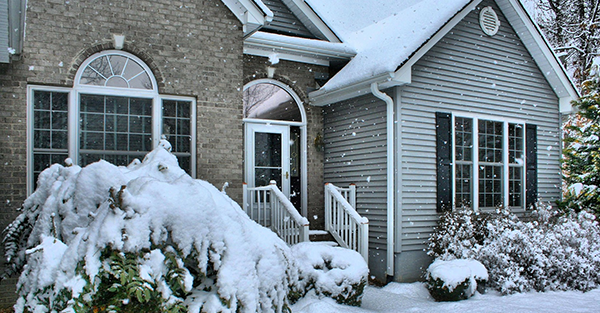
Fall and winter introduce new challenges for an already compromised roof. Fall rain can find weakened seals and flashing. Temperature swings can expand existing cracks, while snow and ice introduce additional moisture and weight.
Addressing questionable areas before winter is less about expecting the worst and more about knowing where your roof stands. A roof inspection after a storm can help determine whether repairs are needed or whether your roof is ready for another winter.
Checking for Storm Damage Yourself
There are several things you can safely look for from the ground, including missing or visibly lifted shingles, roofing debris, dented gutters and downspouts, excessive granules near downspouts, or gutters pulling away from the home.
Inside, look for new discoloration on ceilings or walls. You should also take note if branches or other debris struck the roof during a storm.
Avoid climbing onto the roof yourself. Storm damage can make roofing surfaces less stable, and many of the most important signs require a closer, trained inspection anyway.
Don't Wait for a Leak to Tell You Something Is Wrong
Summer storms can leave damage behind long after the clouds are gone. Finding small issues before fall rain, freezing temperatures, snow and ice arrive can help prevent them from becoming larger problems.
Hedrick Construction has built its reputation in Central Iowa by putting the community first and doing the job with craftsmanship and integrity. If your home experienced severe weather, our team can inspect your roof, explain what we find and help you understand what, if anything, needs attention.


.png)

Comments