

Most homeowners rarely give their chimney much thought until something goes wrong. It is easy to assume that once built, a chimney will function safely year after year without intervention. However, a safe chimney and a well-built roofing system go hand in hand to protect your home’s structural integrity and your family's safety.
Across Story, Boone, Dallas, and Polk Counties, severe weather including freezing winter temperatures, heavy spring rains, and summer hail takes a heavy toll on masonry, flashing, and roofing materials. Performing routine chimney checks and maintaining a resilient roofline are essential steps to preventing costly repairs.
Conduct Regular Visual Inspections
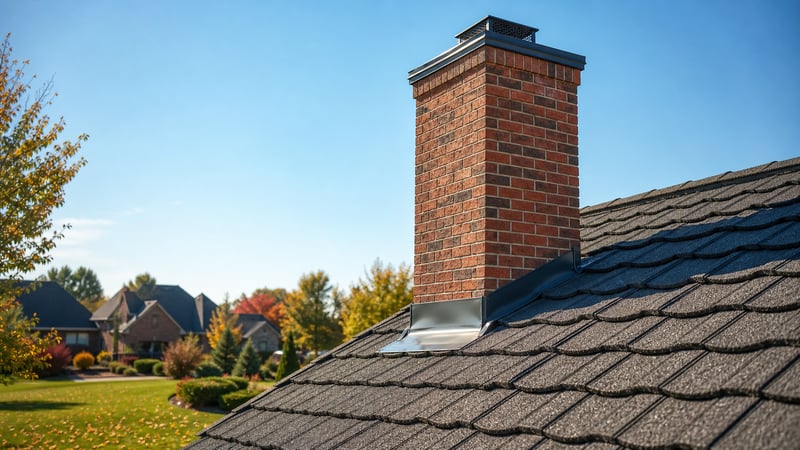
You can start with a visual inspection of your chimney. The outdoor inspection can be done from the ground, preferably with binoculars. Check to make sure the cap is on and in good shape. Check for debris or bird nests, clear them away if necessary. Check for any damage to bricks or mortar or tilt in the chimney's angle. Finally, check to see if the chimney is tightly flashed to the roof.
Routine visual inspections allow you to catch minor wear before it turns into severe structural damage. You can complete an initial inspection yourself from both the outside and inside of your home before firing up your fireplace for the season.
Exterior Inspection from the Ground
Avoid climbing onto your roof if possible. Instead, use a pair of high-powered binoculars from the safety of your yard to examine your chimney stack:
- Chimney Cap and Flashing: Ensure the chimney cap is intact and securely fastened to keep out rain, snow, and wildlife. Verify that the step flashing around the chimney base creates a tight, leak-proof seal against your roofing shingles.
- Masonry Condition: Look for crumbling mortar, cracked or missing bricks, or any noticeable tilt in the chimney's structure. Central Iowa’s frequent freeze-thaw cycles trap moisture inside porous brick, causing mortar joints to deteriorate over time.
- Debris Check: Look for bird nests, leaves, or fallen twigs blocking the chimney crown or flue opening.
Interior Inspection
Inside your home, use a bright flashlight to inspect the firebox and flue with the damper wide open. Check for cracks in the refractory bricks or glass doors, clear out ash buildup, and ensure the damper handle opens and closes smoothly without sticking. If you discover structural cracks, missing mortar, or persistent drafts, contact a certified chimney technician before lighting your first fire.
Schedule Annual Professional Cleanings
A clean chimney is critical to fire safety. Over time, burning wood deposits creosote, which is a highly flammable, tar-like byproduct, along the inner walls of your flue liner. If allowed to build up, creosote can ignite and trigger dangerous chimney fires that easily spread to adjacent roof framing.
Hiring a professional chimney sweep once a year ensures that creosote, soot, and hidden blockages are safely removed. A certified professional can also conduct a full flue inspection, identify internal thermal cracking, and offer guidance on maintaining safe wood-burning habits. Investing in regular maintenance dramatically increases the lifespan of your flue and helps you avoid expensive masonry repairs down the road.
Upgrade to Stone-Coated Steel Roofing for Ultimate Protection
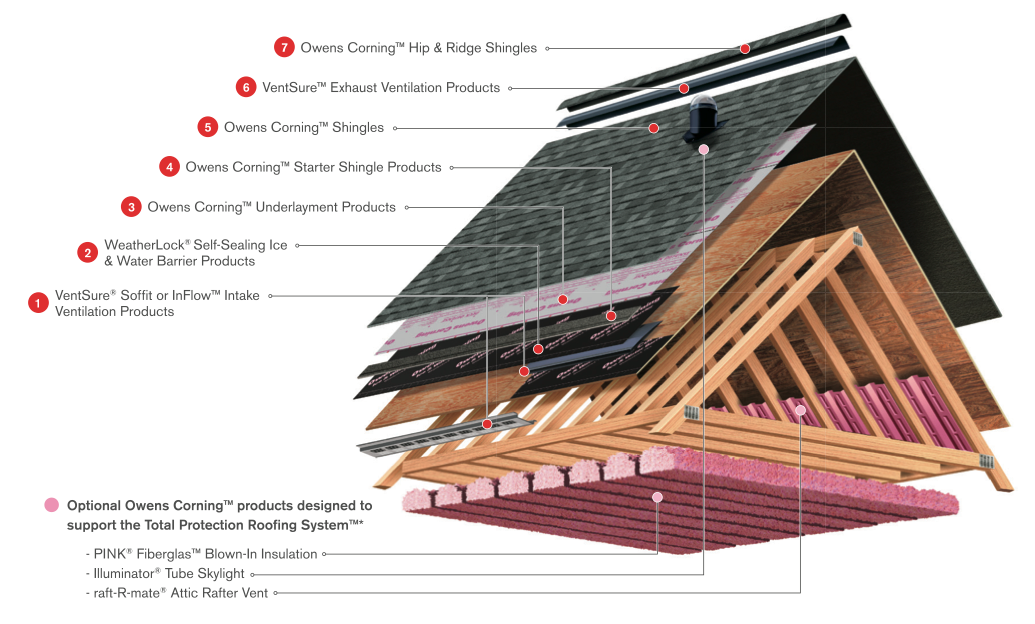
Your chimney's safety is closely tied to the quality of the roofing system surrounding it. Flashing failure around chimneys is one of the most common causes of interior ceiling leaks and attic mold. If your roof is aging, upgrading to an ultra-durable system such as stone-coated steel roofing provides long-term fire and weather resistance.
Stone-coated steel roofs offer distinct advantages for homeowners across Ames, Ankeny, Des Moines, and surrounding communities:
- Superior Fire and Weather Resistance: Engineered from steel and coated with natural stone granules, these roofs resist wind-driven embers, high winds, heavy snow loads, and impact from hail.
- Decades of Proven Performance: While standard asphalt shingles often need replacement every 15 to 20 years, stone-coated steel systems frequently feature 50-year warranties and last significantly longer.
- Architectural Versatility: Stone-coated steel offers the rugged strength of metal while perfectly mimicking the natural look of asphalt dimensional shingles, traditional slate, or hand-split cedar shake.
Frequently Asked Questions
Q: How often should a home chimney be inspected and swept?
A: You should have your chimney inspected by a professional at least once a year, preferably in late summer or early fall before the heating season begins. Cleaning should occur whenever creosote buildup reaches 1/8 of an inch along the flue walls.
Q: What causes leaks around a chimney during heavy rains?
A: Chimney leaks are most commonly caused by damaged or improperly sealed metal flashing where the roof meets the masonry, a cracked chimney cap, or deteriorating mortar joints that allow water to seep behind shingles and into your attic.
Q: Is stone-coated steel roofing noisy when it rains?
A: No. Unlike traditional flat metal roofing, stone-coated steel is installed over an underlayment and features a textured stone granule coating that deadens sound, making it just as quiet during heavy rainstorms as traditional asphalt shingles.
Upgrade Your Roof with Central Iowa’s Trusted Experts
At Hedrick Construction, we understand how critical a durable, weather-resistant roofing system is for protecting your home, chimney, and family. Whether you need an expert roof inspection, seamless gutter replacement, or are interested in upgrading to long-lasting stone-coated steel roofing, our team is here to help.
We proudly serve homeowners throughout Story, Boone, Dallas, and Polk Counties, including Ames, Ankeny, Des Moines, Waukee, Boone, Huxley, and neighboring towns. Contact Hedrick Construction today to schedule a consultation or request an estimate for your home!


.png)

Comments